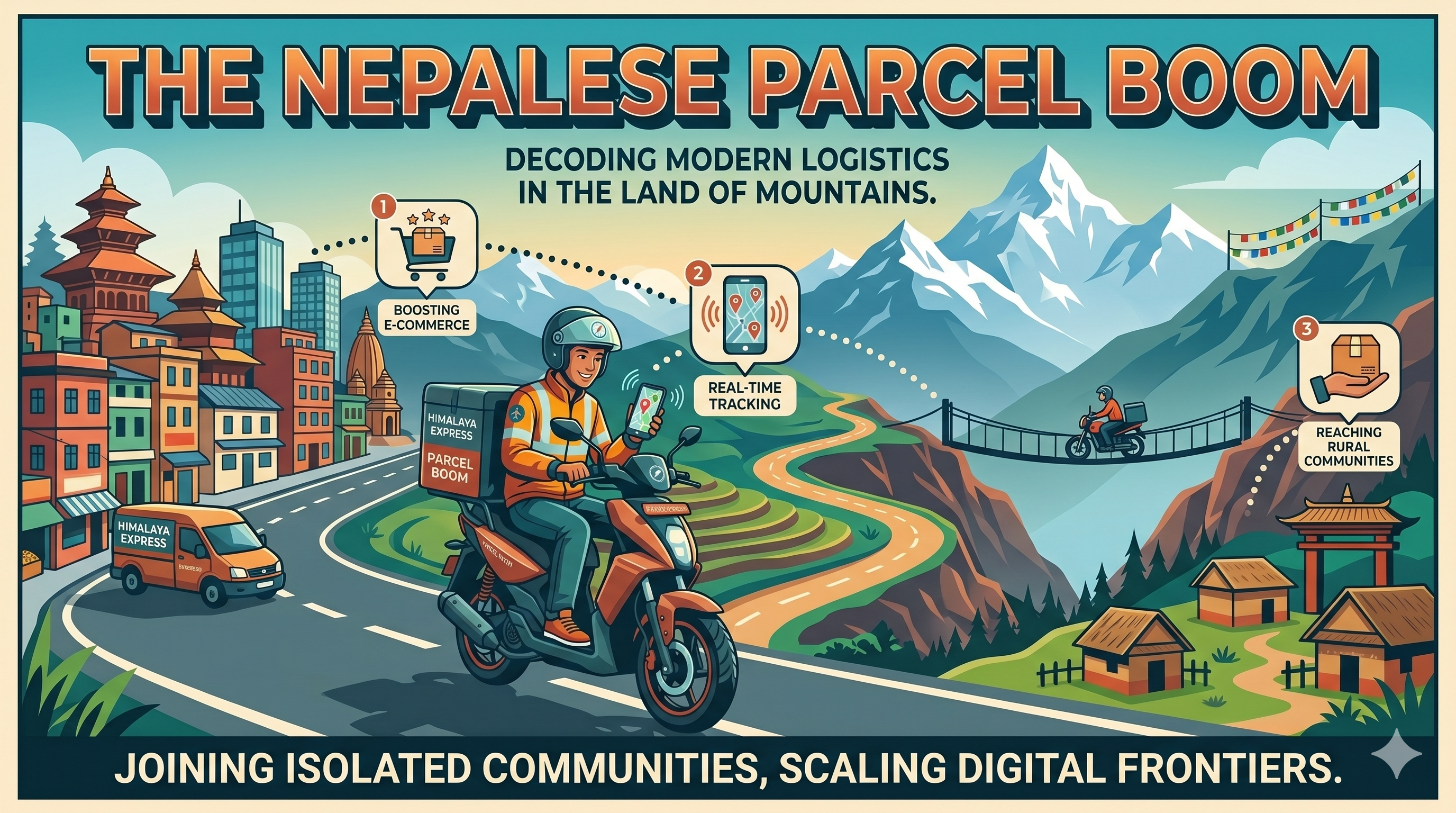
Nepal, known globally for its majestic peaks and serene valleys, is undergoing a quiet but rapid transformation closer to the ground. In cities like Kathmandu, Pokhara, and Biratnagar, a new kind of hustle is defining the streets: the rise of the modern parcel and courier industry.
Gone are the days when sending a package meant navigating confusing post offices or trusting unlicensed transporters. Today, logistics in Nepal is shifting gears, driven by a young, tech-savvy population, an explosion in e-commerce, and a demand for efficiency that matches the global standard.
Here is a closer look at the state of parcel services in Nepal, the unique challenges they face, and what the future holds for this vital sector.
1. The Modern Shift: Cash on Delivery to Real-Time Tracking
Nepal’s logistics sector was historically structured for heavy freight or slow document handling. The shift toward specialized small-parcel courier services is relatively recent, accelerated by the post-pandemic digital adoption.
Several factors are fueling this boom:
The E-commerce Surge: Platforms like Daraz and Sastodeal, alongside thousands of boutique Facebook and Instagram shops, need reliable partners. The Nepali e-commerce market is projected to grow significantly, potentially reaching US$1.86 billion by 2029.
Small Business SME Growth: From local handicraft sellers in Patan to coffee farmers in Nuwakot, small enterprises are using logistics partners to reach customers nationwide, bypass traditional middlemen, and build direct-to-consumer brands.
Changing Consumer Expectations: Today’s consumer doesn't just want their item delivered; they want to know where it is right now. Real-time tracking has moved from a premium feature to a basic expectation.
2. Overcoming the Terrain: The Unique Challenges of Nepal
Operating a logistics company in Nepal isn't like operating in a flat plain. The challenges are distinct and demand localized solutions:
The Last-Mile Mystery: Standardized addressing systems are still rare outside major metropolitan hubs. Delivery agents frequently rely on phone coordination, local landmarks, or established community hubs (like local shops) to complete a delivery. This makes localized knowledge and sophisticated routing software indispensable.
Seasonal Disruptions: Nepal's climate dictates logistics efficiency. The monsoon season brings landslides that block major highways, while winter fog can shut down airports, slowing air cargo to remote districts.
Infrastructure Gaps: Urban congestion (Kathmandu traffic) versus underdeveloped rural road networks means a one-size-fits-all vehicle fleet doesn't work. Modern couriers use a mix of agile two-wheelers for city "last mile" and rugged four-wheelers for inter-district transit.
3. What to Look For in a Modern Logistics Partner
If you are a business owner looking to scale or an individual sending a crucial document, what features define a trusted modern courier in Nepal today?
Real-Time Transparency: Do not settle for "shipped" status. Ensure your partner offers live, map-based tracking for both the sender and the recipient.
Integrated Solutions (Warehousing + Delivery): The most efficient supply chains bridge the gap between storage and transit. If your business is growing, prioritize partners who can store your goods in a secure, monitored facility and fulfill orders instantly from that inventory. This significantly reduces delivery time.
On-Demand Flexibility: Look for "Instant Pick & Drop" services for urgent urban needs (forgotten keys, critical documents) alongside scheduled, bulk delivery models for regular e-commerce fulfillment. Pay-per-delivery structures allow small businesses to manage costs without huge upfront investments.
The Future of Nepali Logistics
The landscape is competitive and evolving. As internet penetration exceeds 45% of the population, rural markets represent the next great frontier for logistics growth.
The future of Nepali courier services isn't just about faster motorcycles; it’s about smarter data. The companies that will thrive are those that successfully integrate on-demand technology (like ride-sharing models), robust data tracking, and a comprehensive, reliable warehousing network to create a seamless delivery experience that bridges Nepal’s geographical divides.